Santa Teresa, Costa Rica sits at the far tip of the Nicoya Peninsula, at the end of a road that is still partly dirt, and that inconvenience is the whole point. It is hard enough to reach that it filters out the resort crowd, which is exactly why the surfers, the wellness travelers, and the creative-industry expats who found it decided to stay. If you want a Pacific beach town with real personality and are willing to work a little to get there, this is one of the best in the country. If you want a paved-road transfer to a lobby with a check-in desk, book somewhere else.
This guide is the honest version: how to actually get here, what the surf and beaches are really like, when to come, what it costs, and where to stay along the five kilometers of coast that make up the town.
What Santa Teresa Actually Is, and Who It Suits
Santa Teresa is a former fishing village that grew into a surf town without ever really becoming a resort town. There is essentially one long dirt main road running parallel to the beach, lined with surf shops, smoothie cafes, boutiques, and restaurants, with hotels and hostels tucked off it toward the sand. The whole place is drivable end to end in about ten minutes. It blurs into its neighbors: Playa Carmen at the center, Playa Santa Teresa stretching north, and Mal Pais to the south.
The crowd is international and self-selecting. Over the 2000s the town shifted from attracting bare-bones adventure seekers to catering to comfort-loving travelers who want good coffee and a yoga class after their surf. That is why you get a food scene that feels wildly out of proportion to the population.
Who it suits: surfers of any level, wellness travelers, and anyone whose idea of a good week is board, sunset, and flip-flops. Who should skip it: budget backpackers hunting the cheapest possible trip, families wanting resort infrastructure and calm swimming, and anyone who hates the idea of a dusty or muddy road at their doorstep. Santa Teresa is genuinely a love-it-or-hate-it town, and knowing which camp you are in before you book saves a lot of regret. If you want the same surf-and-yoga formula on the northern part of the peninsula, our Nosara guide covers the close comparison.
Getting There: The Ferry Is the Fun Part
Santa Teresa is on the wrong side of the Gulf of Nicoya from San Jose, so almost every route involves either a ferry or a long loop around the water. Plan on it being a travel day whichever way you go.
Shared shuttle is the sane default. Door-to-door shuttles from San Jose run about $50 to $65 per person and take five to six hours, including hotel pickup, the drive to Puntarenas, and the ferry across the Gulf of Nicoya. The crossing takes about an hour and is genuinely scenic, so treat it as part of the trip rather than a delay.
Driving yourself is very doable and gives you a vehicle once you arrive, which matters here. From San Jose you drive roughly an hour and a half to the Puntarenas port and take the Puntarenas to Paquera ferry: about $24 for a car with driver, $1.50 for a foot passenger, a 70-minute crossing, with sailings spread across the day between early morning and night. Book online through the ferry’s system ahead of time, because on-site payment is cash colones only. From Paquera it is about an hour on to Santa Teresa. You can also skip the ferry and drive the whole way around, roughly 100 km longer but similar total time once you factor in ferry waits, at about five and a half hours.
The public bus is the cheapest and the longest. There is no direct bus from San Jose. You take a bus from the capital to Cobano for around $15, then transfer to a local shuttle for the last stretch into Santa Teresa, roughly $2 and about 45 minutes. Reserve the bus leg online in advance. All in, this is an eight-to-nine-hour day, so it is the choice for tight budgets and flexible schedules, not for anyone in a hurry.
Flying shortcuts the whole thing. Small carriers fly from San Jose’s domestic terminal to Tambor, about 40 minutes by taxi from Santa Teresa, on little prop planes. Reckon on $100 to $160 per person and a total travel time of an hour and a half to two hours. It is the splurge that buys back most of a day.
The Road Reality: Bring a 4x4 If You Drive
Here is the thing every honest guide has to say and most brochures skip: the road situation is better than it used to be but still rough at the finish. The main highway across the peninsula from Naranjo to Cobano is paved, well marked, and very curvy. The stretch on toward Santa Teresa has largely been paved too. But the last few kilometers into the Mal Pais and Santa Teresa area still turn to dirt with seasonal ruts, and the main road running through town is unpaved.
That dirt road is the town’s defining feature and its most common complaint. In the dry season it throws up dust; in the rainy season it turns to mud. A 4x4 is strongly recommended if you are driving here yourself, especially for the side roads and especially from May onward when things get slick. If you are not renting a car, note that taxis exist but are limited, so most visitors get around by ATV or scooter, which you will see for rent everywhere in town.
The Beaches and the Surf
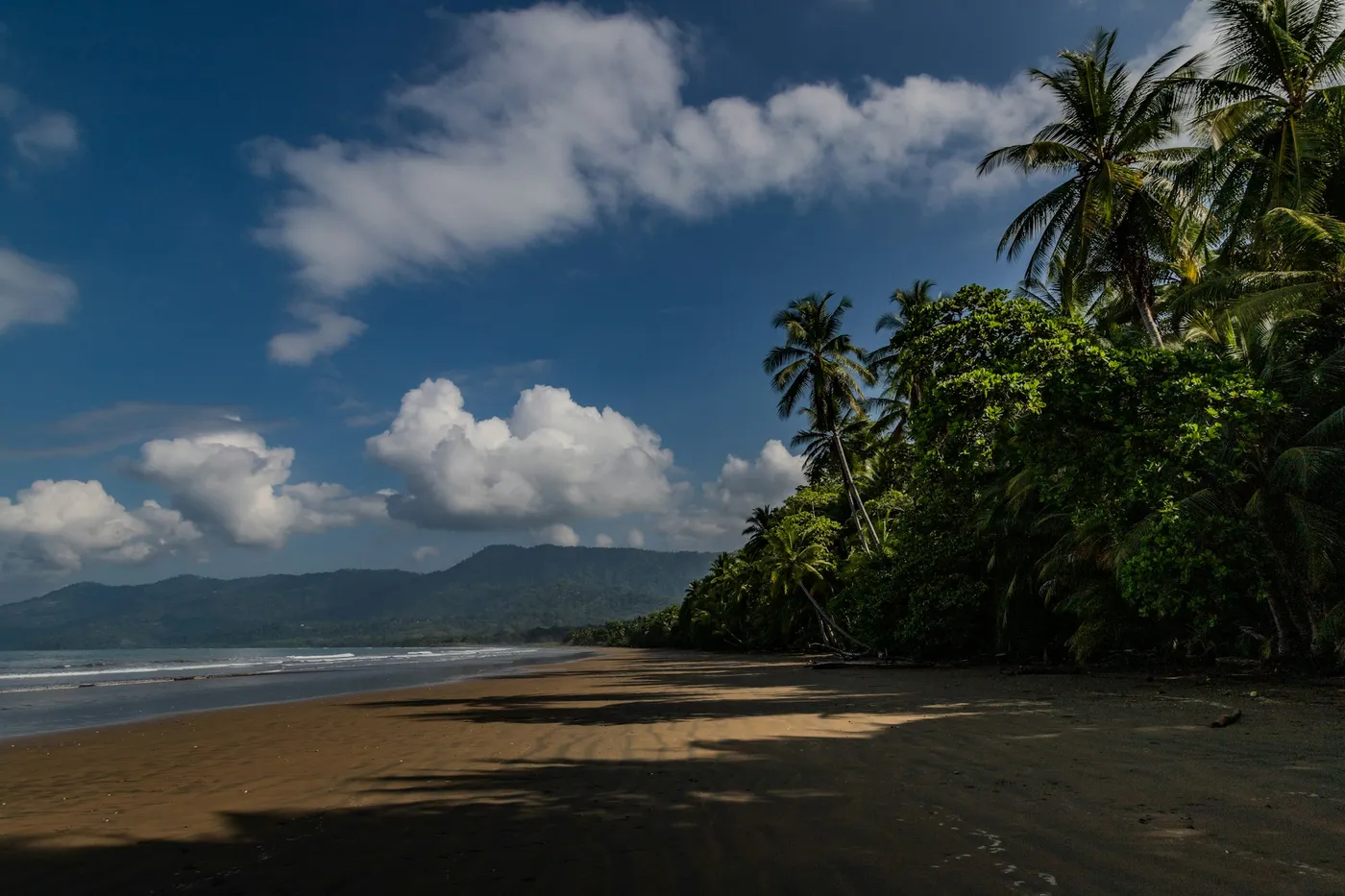
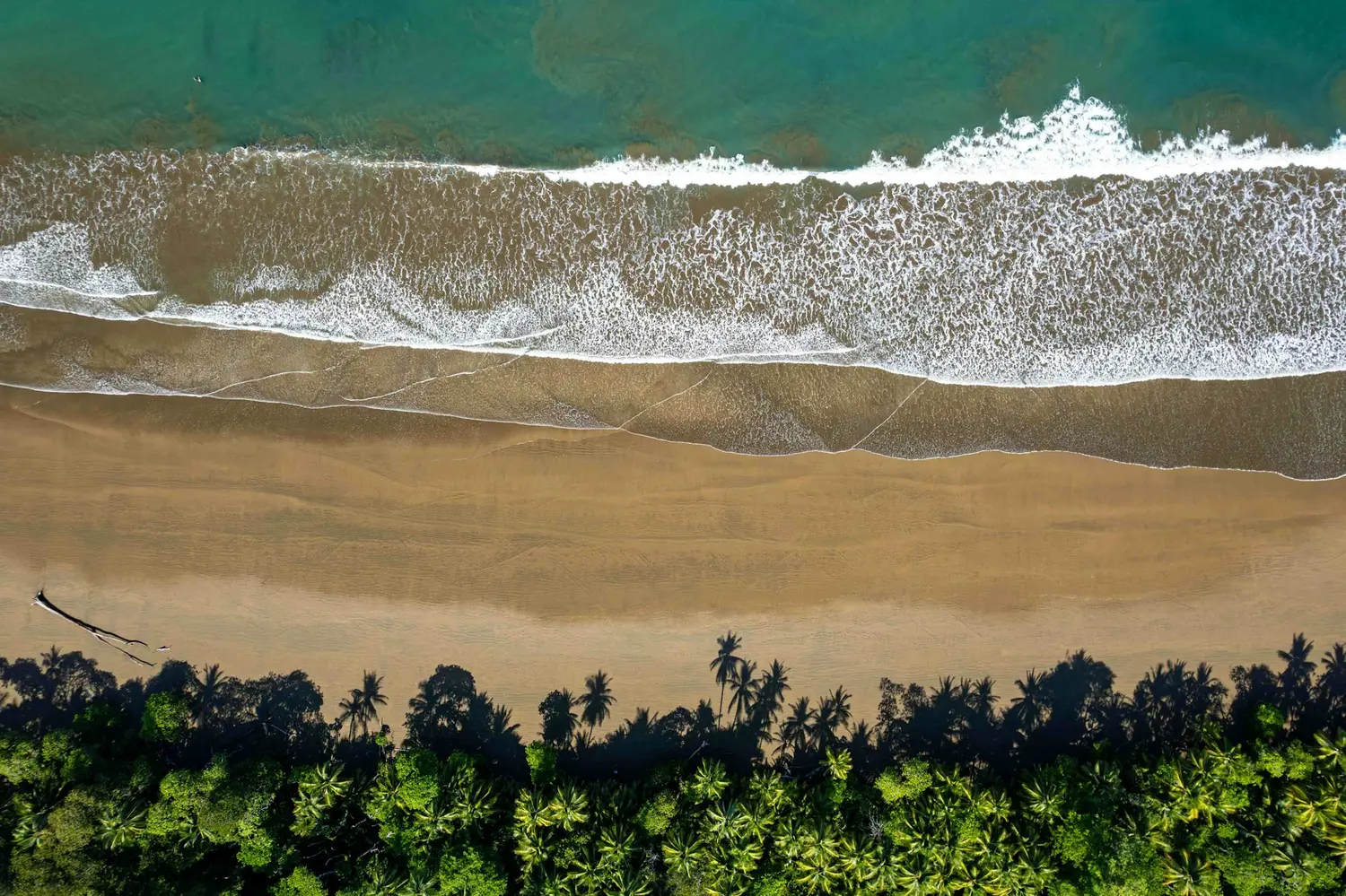
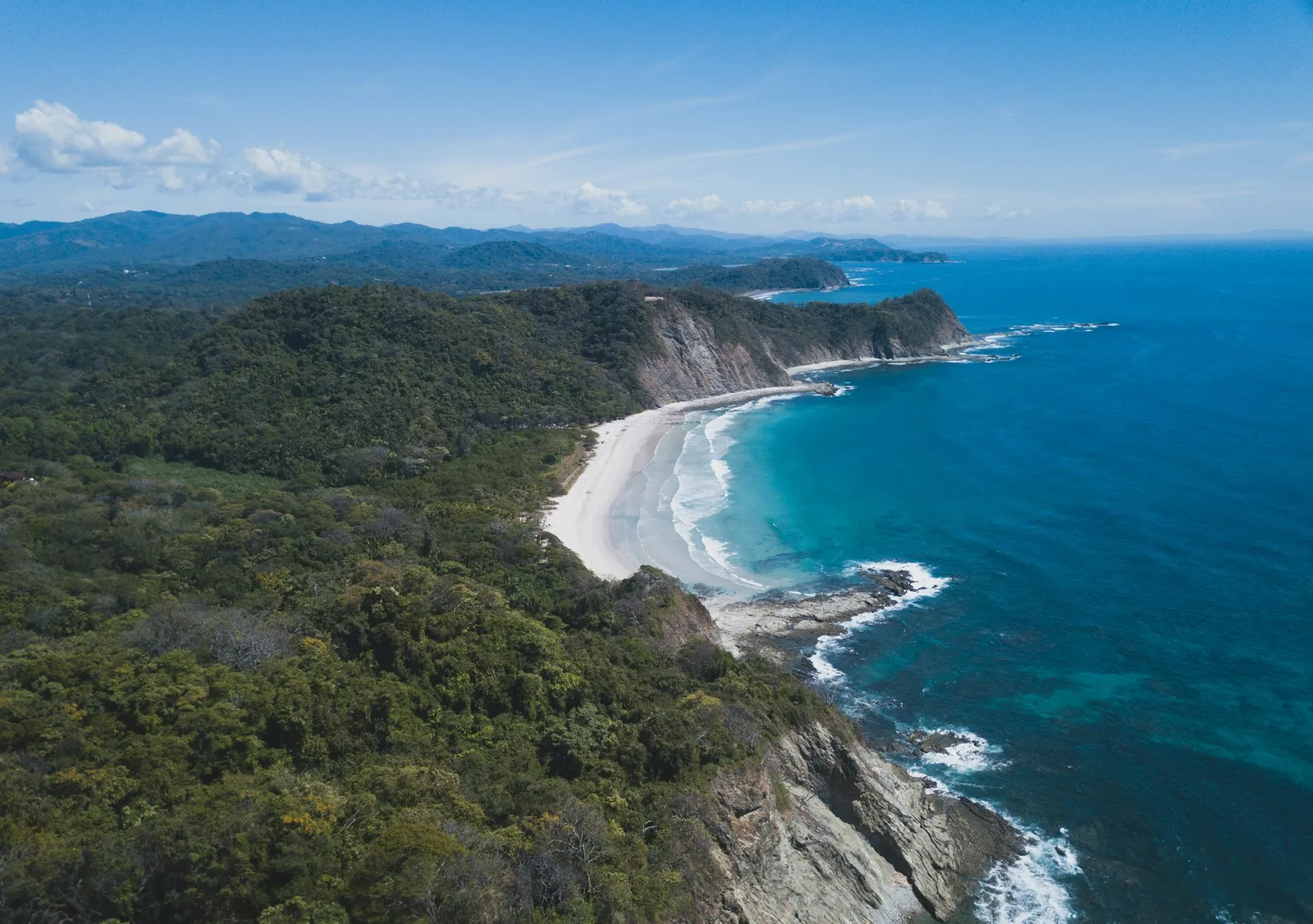
The beaches run for about five kilometers, and while they blur together on a map they have different jobs in the water.
- Playa Carmen sits at the center of town and is the most versatile break, a mix of beach and reef with sandy-bottom whitewater that is gentle enough for first-timers to stand up on. Waves are smaller and friendlier in the dry season and step up in size from May onward, so it suits beginners through advanced depending on the month.
- Playa Santa Teresa stretches north and is the main beach, long and sandy with consistent but powerful waves. This is intermediate-to-advanced water, and it is where the town’s better surfers spend their mornings.
- Playa Hermosa, about ten minutes north of the center, is wider and usually less crowded, with more forgiving waves. This is the beach most schools take beginners to, and the one to aim for if you are learning.
- Mal Pais, to the south, is quieter and more nature-focused, with tide pools and bigger, more challenging waves suited to stronger surfers.
The surf is consistent year-round, which is a big part of the appeal. The tradeoff is that the waves here are genuinely powerful, and the currents are real. If you are new to the ocean, do not paddle out without a local instructor. Lessons run roughly $70 to $100 per person for a session of about ninety minutes to two hours with a board included, board rentals are around $10 to $15 a day, and multi-day surf camps that bundle lodging, meals, and yoga run anywhere from a few hundred dollars up past $2,000 for a full week.
When to Go
The season tradeoff is the classic Pacific one, plus a surf overlay.
- Dry season, December to April, brings sunny days, easy conditions, smaller and more manageable waves that are best for beginners, the biggest crowds, and peak prices. The Christmas and New Year window in particular gets very crowded, and the best places sell out months ahead.
- Early green season, May to July, is the sweet spot many regulars quietly prefer. Mornings are usually clear, afternoons bring a shower or two, bigger swells start rolling in for stronger surfers, crowds thin out, and rates drop noticeably, often 20 to 40 percent off peak.
- Peak green season, August to October, is the wettest, with rain most days, usually a heavy afternoon burst rather than an all-day washout. It is the lushest, cheapest, least crowded stretch, and it delivers the biggest waves of the year for advanced surfers who do not mind the mud.
If you are a beginner chasing sun and easy water, come in the dry season. If you surf and want fewer people and better prices, aim for May through July.
Food, Sunsets, and Nights Out
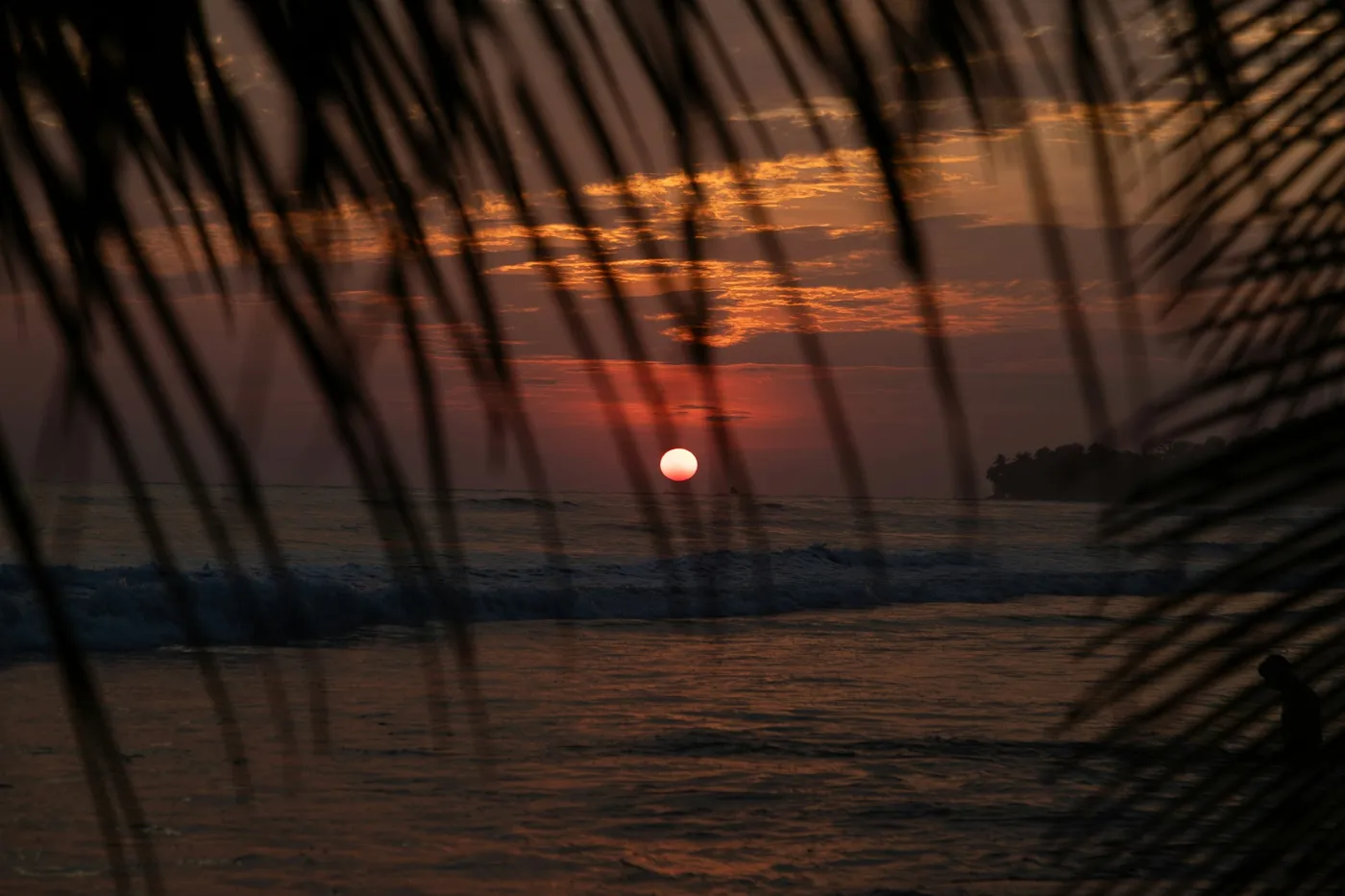
The food is a real reason to come, and it surprises people. For a town on a dirt road, the range is absurd: fresh seafood and farm-to-table plates, but also Japanese-Peruvian fusion, Mexican, Middle Eastern, Italian, and a deep bench of vegan cafes, smoothie-bowl spots, and specialty coffee. You can eat very well here, though not cheaply. If you want to keep the budget honest, the traditional casado spots and sodas serve full local plates for a fraction of what the beachfront charges, and coconut vendors on the sand sell a cold one for a dollar or two.
The sunsets deserve their own line. The whole coast faces west into open Pacific, and the sunset ritual, drink in hand on the sand, is a genuine highlight rather than a cliche. Afterward the town has a modest but real nightlife: a handful of bars and beach clubs that get going after 10 pm, with the biggest nights, including the full-moon parties, drawing a crowd. It is enough to have a good night out, but this is a surf town, not a party capital.
Where to Stay and What It Costs
Location comes down to a simple split. The Playa Carmen and central Santa Teresa stretch keeps you closest to the restaurants, surf shops, and nightlife, walkable to everything. Playa Hermosa and Mal Pais trade that for quiet and nature, better if you want to wind down rather than be in the middle of it. Nothing is far in a town you can drive across in ten minutes.
On price, set your expectations high, because Santa Teresa runs more expensive than most beach towns in Costa Rica. Budget hostels and simple rooms sit around $20 to $50 a night, mid-range hotels roughly $80 to $180, and the boutique and luxury properties from $200 well past $500. A comfortable mid-range day, room plus food plus a bit of surf, lands somewhere around $80 to $150 per person. Book early for any dry-season trip; the good places go months in advance.
The Honest Verdict
Santa Teresa asks more of you than most Costa Rican beach towns. You have to get across the gulf, put up with a dusty or muddy road, and pay more than you would almost anywhere else on the coast. In return you get consistent surf for every level, a food-and-wellness scene far beyond the town’s size, west-facing sunsets that live up to the hype, and a crowd that is there for the same reasons you are.
Give it at least four nights to make the journey worth it. Rent something with four-wheel drive or an ATV, come in the dry season if you are learning or May through July if you surf and want it quieter, and go in knowing the road is dusty and the prices are not. If that sounds like a fair trade, you will probably love it. If it sounds like a hassle, that is useful to know too, because Santa Teresa is not trying to be for everyone, and that is exactly why the people who love it love it so much.