Here is the confusion nobody clears up: Manuel Antonio is two different things. It is a national park, and it is also the town and hotel strip that runs 7 km along a hill road from Quepos down to the park gate. Most guides mash them together, so people book three nights “for the park” that only needs one morning, or they skip the area entirely because they heard the park is crowded.
This guide covers the area: where to stay, what the beaches outside the park are like, how to get there, and when to go. For the park itself, the tickets, the Tuesday closure, and whether you need a guide, we already wrote a full breakdown in our Manuel Antonio National Park guide. Read that before your park morning. Everything else is here.
How the Area Is Laid Out, Because It Changes Where You Book
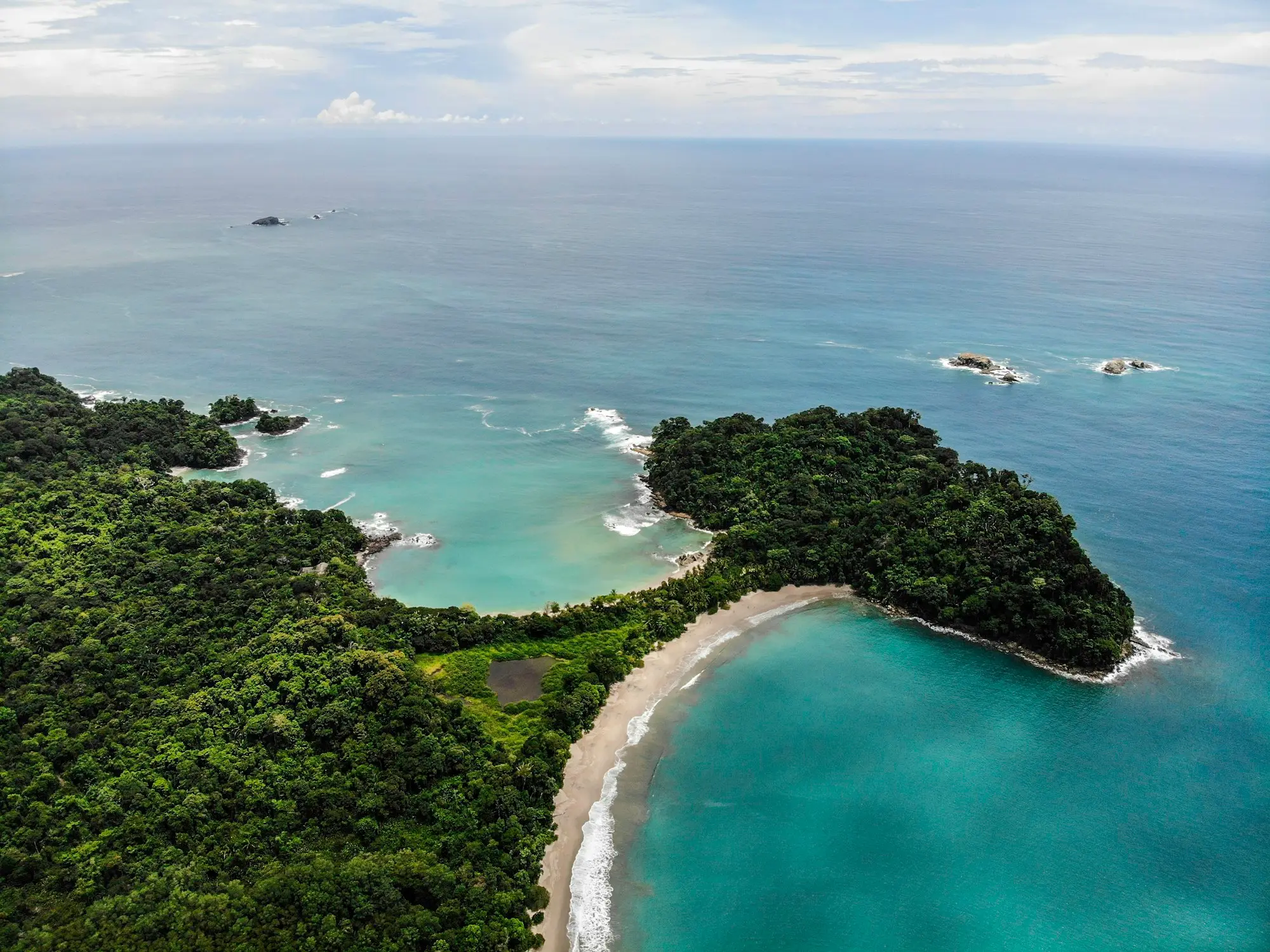
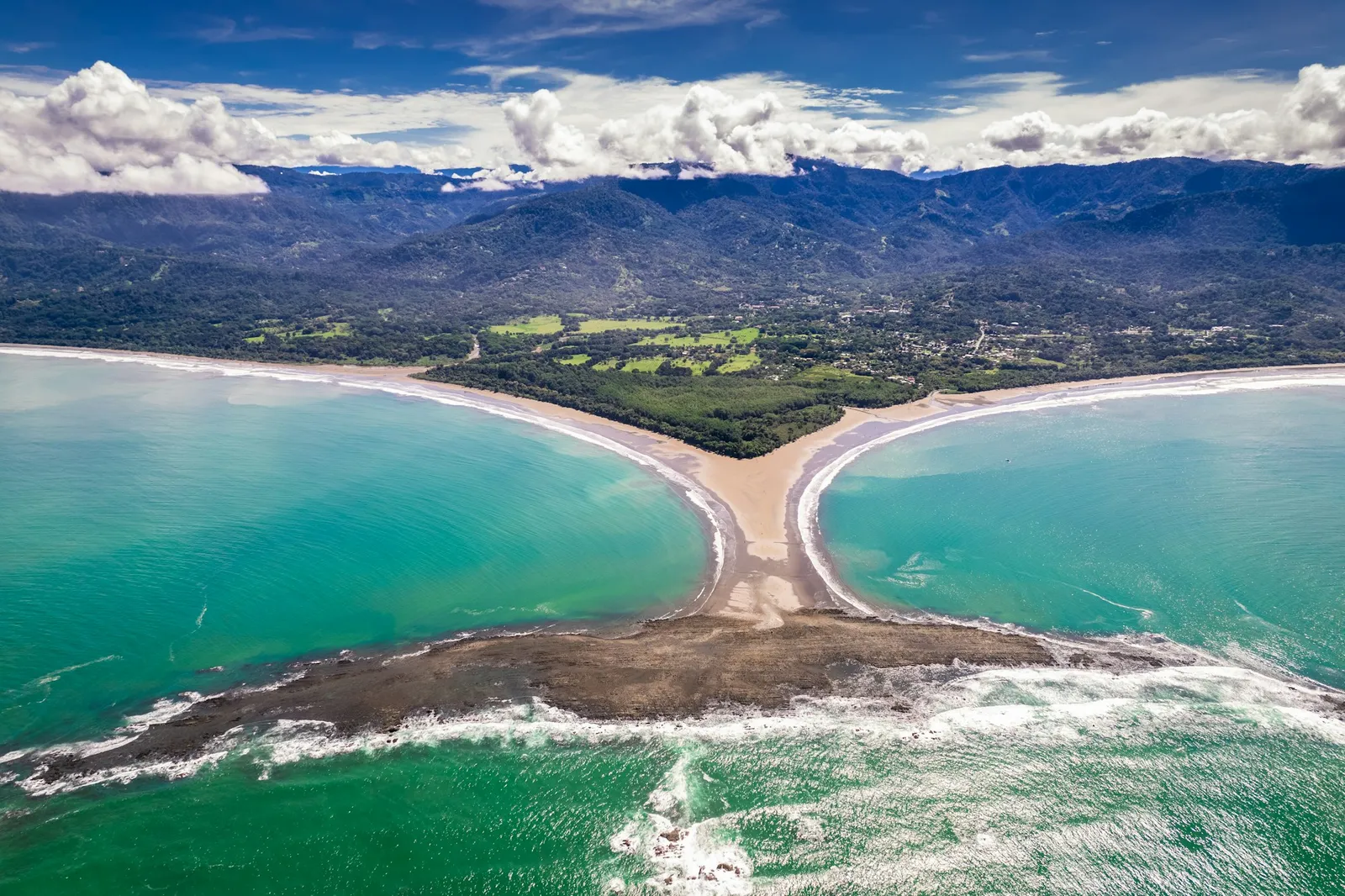
There is no town called Manuel Antonio in the way you might picture one. There is Quepos, a real working town at the northern end, and then a single winding road that climbs over a forested hill and drops back down to the beach and the park entrance. Hotels, restaurants, and viewpoints are strung along that road for about 7 km.
That layout has practical consequences. Nothing is walkable between zones. The hill hotels sit above the ocean with the famous sunset views, but you are riding the road for every meal you do not eat at the hotel. The beach flats near the park entrance put you in walking range of Playa Espadilla and the park gate, but the buildings are denser and the views are gone. Quepos has none of the postcard scenery and the best cheap food, real supermarkets, and the lowest room rates.
A local public bus runs the Quepos to park-entrance road roughly every half hour during the day for well under $1, and taxis cover the same stretch for a few dollars. You do not need a car once you are here. That is worth knowing before you pay for three days of parking.
Where to Stay: Quepos, the Hill, or the Beach Flats
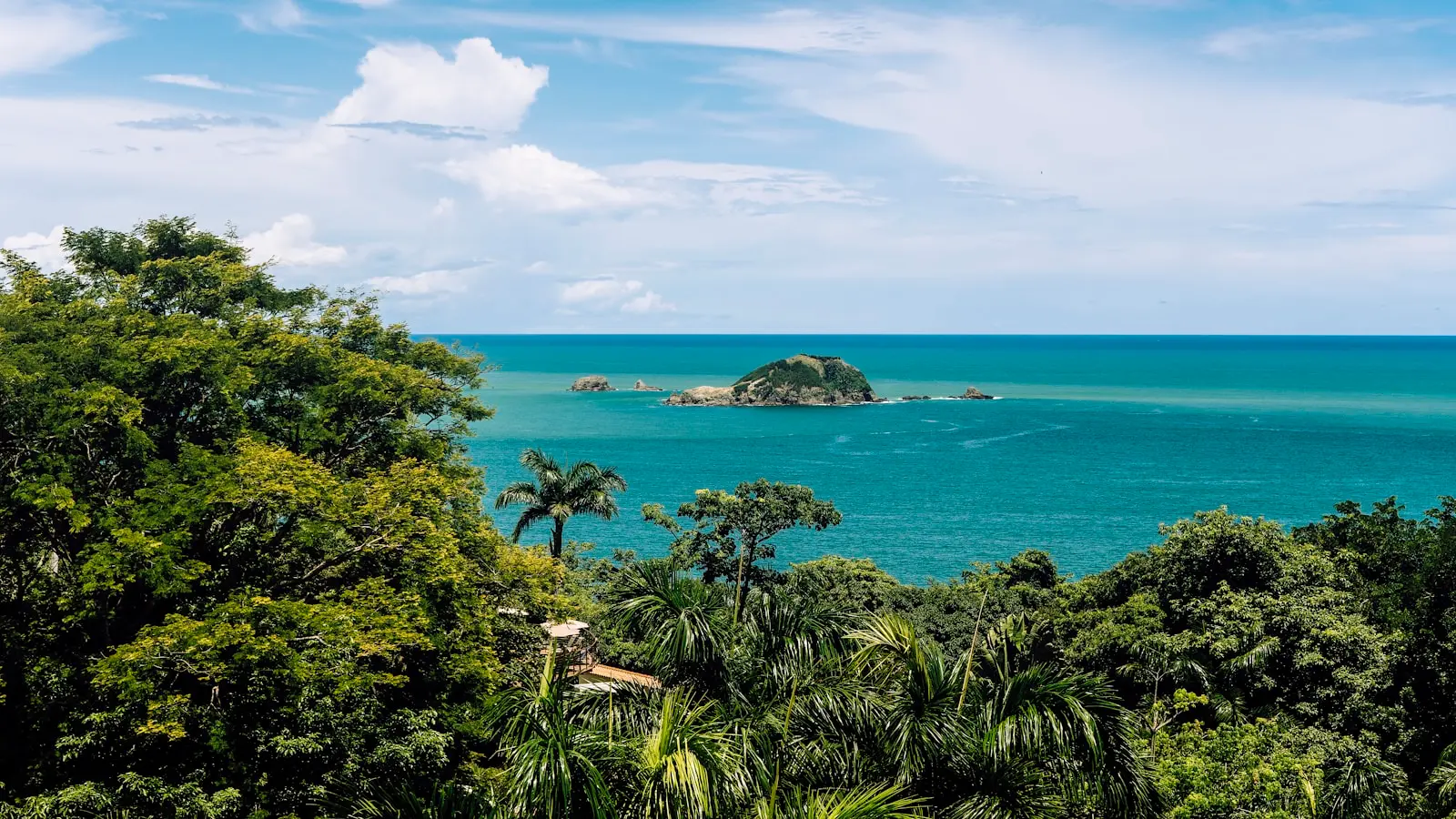
The honest version of the “where to stay” question is a budget question.
Quepos is the value play. Rooms routinely run half or less of what the hill charges, and the Tripadvisor Quepos forum has said the same thing for years: stay in Quepos to save money, ride the 10-minute road to the beach. Restaurants are cheaper too, and this is where you find sodas, the small Costa Rican lunch counters, at local prices. The trade is scenery. Quepos is a fishing town with a marina, not a resort.
The hill is the splurge, and the spread is wide. This is where the hotels people photograph live. Based on published 2025 rates, Parador runs about $300 to 900 a night in the December to April high season and about $250 to 600 in green season. Los Altos, at the top of the market, lists roughly $600 to 1,200. Mid-range options like Shana run about $180 to 600 depending on season. Those are ranges from the hotels’ own published pricing and recent guide reporting, so treat them as approximate and check current dates. What you are buying at every tier is the view and, at many properties, wildlife on the balcony railing.
The beach flats near the park entrance suit one specific traveler: you want to walk to the park at 6:45 am and walk to Espadilla in the afternoon, and you do not care about a view from the room. Prices sit between Quepos and the hill.
If you cannot decide, decide by trip length. One or two nights, stay near the park entrance and keep logistics simple. Three or more nights, the hill view is what you will remember, if the budget covers it.
The Beaches Outside the Park Are Free, and Two of Them Are Excellent
You do not need a park ticket to swim in Manuel Antonio, and on a Tuesday, when the park is closed, you have no choice anyway.
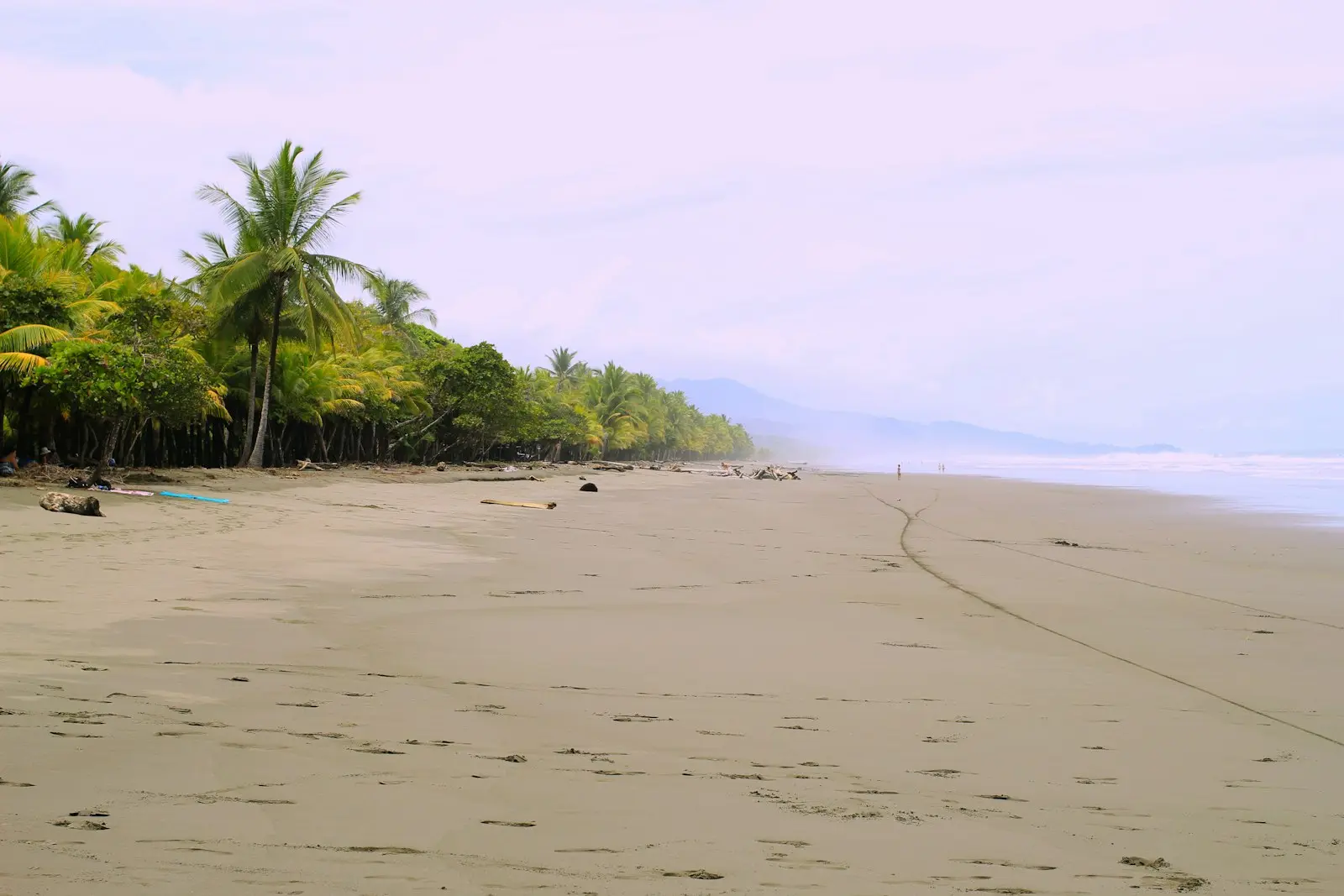
Playa Espadilla Norte is the main public beach, about 1.6 km of grey-blond sand running north from the park boundary. It is free, it has rental chairs and food within reach, and the surf is real: waves big enough for the surf schools that operate here, and strong enough that you should swim where others are swimming and keep kids close. Rip currents get reported here regularly. It is the liveliest beach in the area and the easiest to reach.
Playa Biesanz is the one travelers rave about once they find it. It sits in a sheltered cove off the hill road, reached by a 10-minute downhill walk on a dirt trail, and it is the calmest swimming and the best snorkeling in the area because the cove blocks the Pacific swell. Locals use it heavily on weekends, so go on a weekday morning if you want it quiet. There are no big facilities, so carry water.
The park’s beaches, Manuel Antonio and Espadilla Sur, are prettier still, but they cost a ticket and close with the park. Our park guide covers how to do that morning properly. For how these beaches stack up against the rest of the country, see our Costa Rica beaches guide.
Getting There: 3.5 to 4 Hours from San Jose, However You Do It
Manuel Antonio is one of the easier major destinations to reach, which is part of why it is busy.
Shared shuttle is the default for most first-timers. Interbus runs San Jose to Manuel Antonio daily at 7:30 am for $54 per person, door to door, taking about 4.5 hours. Other operators run the same route from about $53. Book at least a day or two ahead; these are not walk-up services. Confirm schedules before booking, since departure times shift.
Driving yourself takes about 3.5 to 4 hours from San Jose depending on route and stops. This is one of the tamer drives in the country, mostly on the paved coastal highway, so it is a reasonable first Costa Rica drive. Two things to budget for. First, the mandatory third-party liability insurance, the Tarifa Basica or TPL, at roughly $15 a day. You cannot decline it, and your credit card coverage does not replace it. Our San Jose car rental guide covers the full cost stack. Second, parking: the hill hotels have it, but near the park entrance touts will wave you into paid lots aggressively. Know where you are parking before you arrive.
The public bus from San Jose (Tracopa, from the terminal) is the budget route at under $10, around 4.5 hours direct. Fine if you pack light and your hotel is in Quepos, where the bus terminates.
One planning note: if Manuel Antonio is half of a one-week trip paired with La Fortuna, the sequencing and transfer day are already worked out in our Costa Rica 7-day itinerary.
When to Go: The Dry Season Premium Is Real
Manuel Antonio sits on the central Pacific coast, so the standard Pacific pattern applies. December through April is the dry season: the most reliable sun, the calmest seas, and the highest prices and crowds. That Parador range above jumping from $600 to $900 at the top end is the high-season premium in action, and Christmas through New Year and Easter week are the peak of the peak. Book those windows months out.
May through November is the green season, and here it genuinely works in your favor if you can be flexible. The typical day is a clear morning and an afternoon downpour, which pairs perfectly with the local rhythm anyway: park or beach in the morning, roof and a book at 3 pm. Rooms drop 20 to 40 percent, and travelers report weekday beaches near-empty in the shoulder months. September and October are the wettest here, the reverse of the Caribbean coast, where those same months are the driest. If your trip is locked to September, that is a reason to look at the other coast.
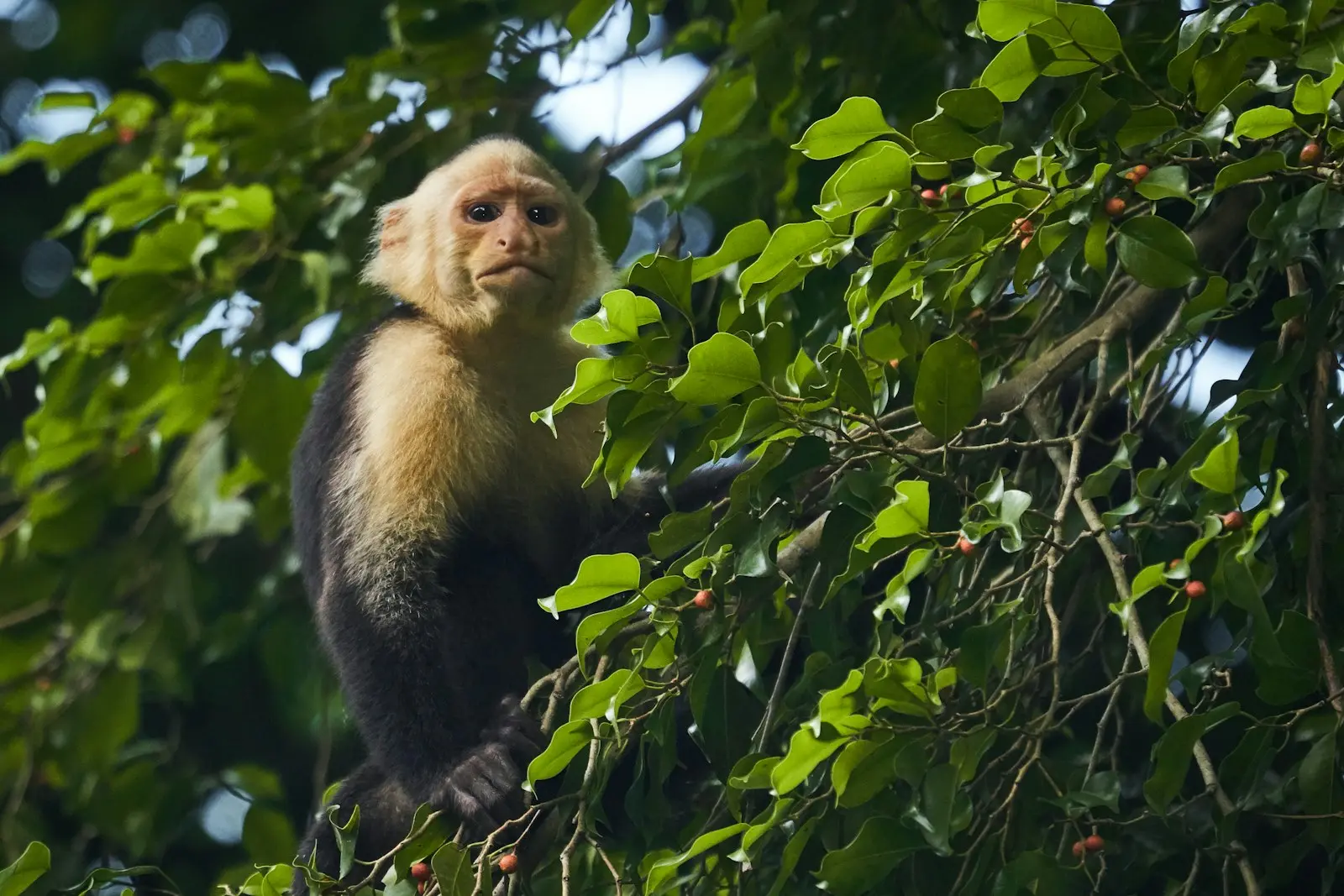
Wildlife does not take a season off. Sloths, capuchins, and squirrel monkeys are around the hotel grounds and roadside trees year-round. A note from every forum thread on the area: do not feed the monkeys, and do not leave your balcony door open with food inside. The capuchins here are professionals.
How Many Days, and the Honest Trade-Offs
Two to three nights is the right allocation for most trips. That gives you one park morning, one full beach day, and margin for the afternoon rain or a sportfishing or catamaran outing from the Quepos marina. A single night works only if you just want the park morning.
Who should think twice about Manuel Antonio entirely: travelers allergic to crowds and built-up tourism. This is the most visited corner of Costa Rica, the road is lined with restaurants and tour desks, and Espadilla on a dry-season Saturday is packed. If you want empty wilderness, the Osa Peninsula is your answer, at the cost of much harder logistics. For everyone else, especially first trips and families, the crowds are the price of a place where the wildlife, the swimming, and the infrastructure all actually deliver, 3.5 hours from the airport.